Buying an older Connecticut home: masonry red flags to check first
By Dana Whitfield · Updated 2026-08-20
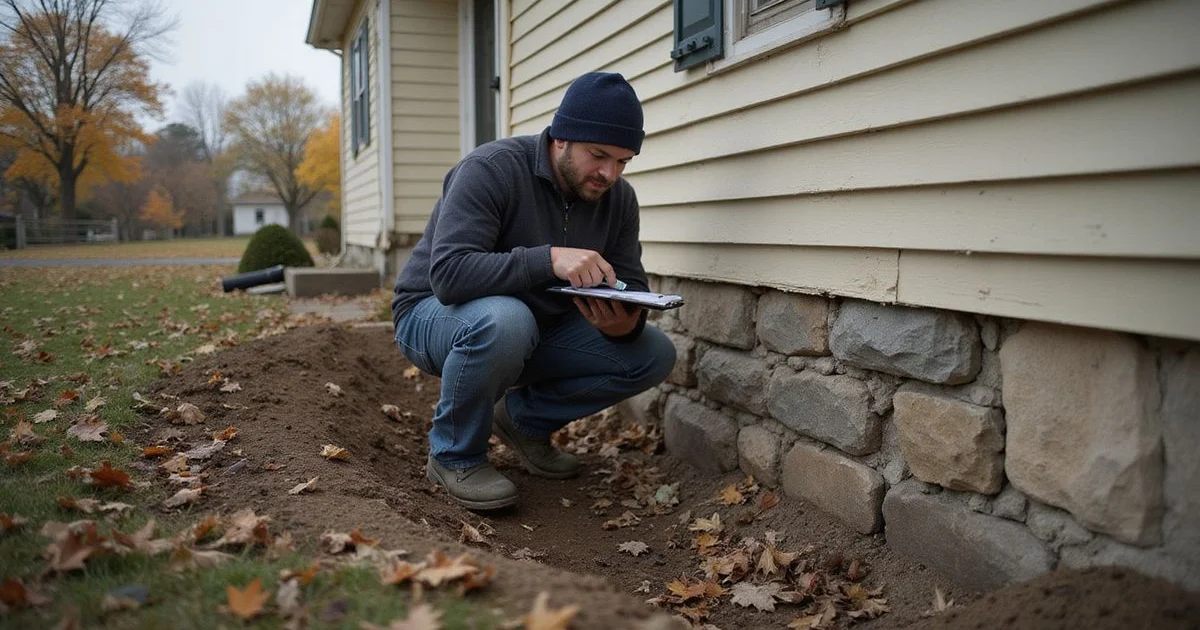
Older homes in Connecticut come with real character, and often, original masonry that has held up for a hundred years or more. That same age is exactly why masonry deserves a close look before you make an offer. Some issues are cosmetic and easy to budget for; others point to costly structural work.
Foundation: what to check
- Crack type matters more than crack presence. Thin, stable vertical cracks are common and often not urgent. Horizontal cracks or stair-step cracks in a block foundation suggest pressure from outside the wall and warrant a closer look.
- Rubble stone foundations. Many older Connecticut homes were built on rough, uncut fieldstone foundations. These can be perfectly sound but are worth having assessed by someone familiar with historic construction, since water infiltration patterns differ from a poured concrete foundation.
- Signs of past water intrusion. Efflorescence (white staining) or a damp basement smell near foundation walls points to moisture that has been getting in, which is worth understanding before you buy.
Chimney: what to check
- Age and liner condition. An original chimney on an older home may have an outdated or deteriorated flue liner, which is a common and budgetable update rather than a red flag by itself.
- Visible lean or bulge. Unlike a liner update, a leaning chimney suggests a structural issue and deserves a specific call-out to your inspector.
- Mortar condition. Crumbling or missing mortar between bricks is common on older chimneys and usually just means repointing is due soon.
Exterior brick and stonework: what to check
| What you see | Likely meaning | How concerning |
|---|---|---|
| Hairline mortar cracks | Normal aging | Low, budget for repointing |
| Efflorescence on brick | Moisture moving through masonry | Low to moderate, find the source |
| Spalling brick face | Freeze-thaw damage from trapped moisture | Moderate, may need brick replacement |
| Leaning chimney or wall | Structural movement | Higher, get a specialist inspection |
| Stair-step foundation cracks | Settling or pressure from outside | Higher, get a specialist inspection |
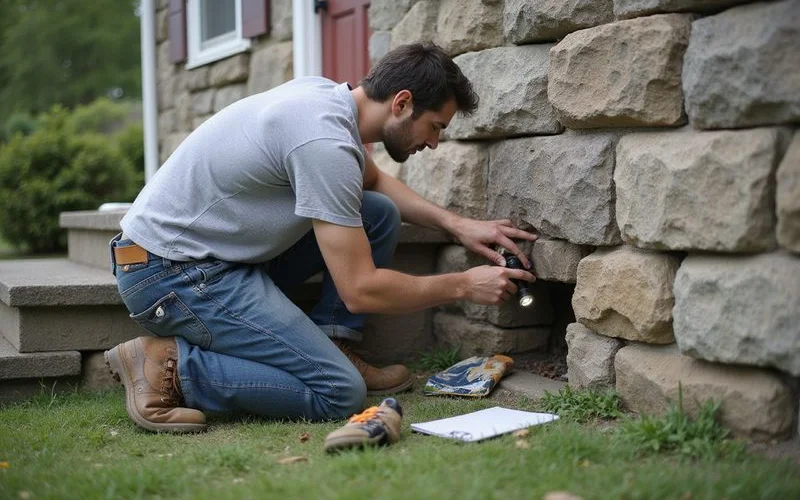
Why a specialist look can be worth it on a historic home
A general home inspector covers a lot of ground in a couple of hours, and masonry is only one part of that. For a home with an original stone foundation, a historic chimney, or visible masonry age, a follow-up assessment from someone who specializes in historic masonry restoration can catch details a general inspection might move past quickly. This is especially worth considering if the home’s age or listing history suggests the masonry has not been touched in decades.
Budgeting for what you find
Most masonry issues found during a home purchase are fixable and worth factoring into your offer or negotiation rather than treating as a deal-breaker. Repointing, liner updates, and minor brick replacement are common, predictable costs. Structural foundation work or a full chimney rebuild is a bigger number worth getting a real quote on before you finalize an offer.
You can find Connecticut contractors who specialize in older homes on the historic masonry restoration category page, and see how this directory scores listings on its ranking method page. Start from the homepage if your project involves more than restoration work.
The bottom line
Old masonry is not automatically a problem, it is often the most durable part of an older Connecticut home. The goal during a purchase is telling normal wear from a real structural concern, and getting a specialist look at anything ambiguous before you close.
FAQ
- Are foundation cracks always a serious problem in an old home?
- Not always. Thin, stable, vertical hairline cracks are common in older homes and often cosmetic. Horizontal cracks, stair-step cracks in block foundations, or cracks wide enough to fit a coin are more concerning and worth a professional look.
- What is rubble stone masonry, and should I be worried if my potential home has it?
- Rubble stone masonry is construction using rough, uncut fieldstone, common in older Connecticut foundations. It is not automatically a problem, but it can be more prone to water infiltration over time and is worth having assessed by someone experienced with historic foundations specifically.
- Should a home inspection catch all the masonry issues?
- A general home inspector will flag obvious issues, but a specialist in historic masonry restoration may catch subtler problems, especially in a home with an original stone or brick foundation, that a general inspector could miss.
- Is an old chimney a deal-breaker?
- Rarely by itself. An older chimney often needs a liner update or repointing, which is a fixable, budgetable cost rather than a reason to walk away, as long as it is accounted for in your offer or negotiation.