Efflorescence and spalling: what brick damage is telling you
By Dana Whitfield · Updated 2026-08-16
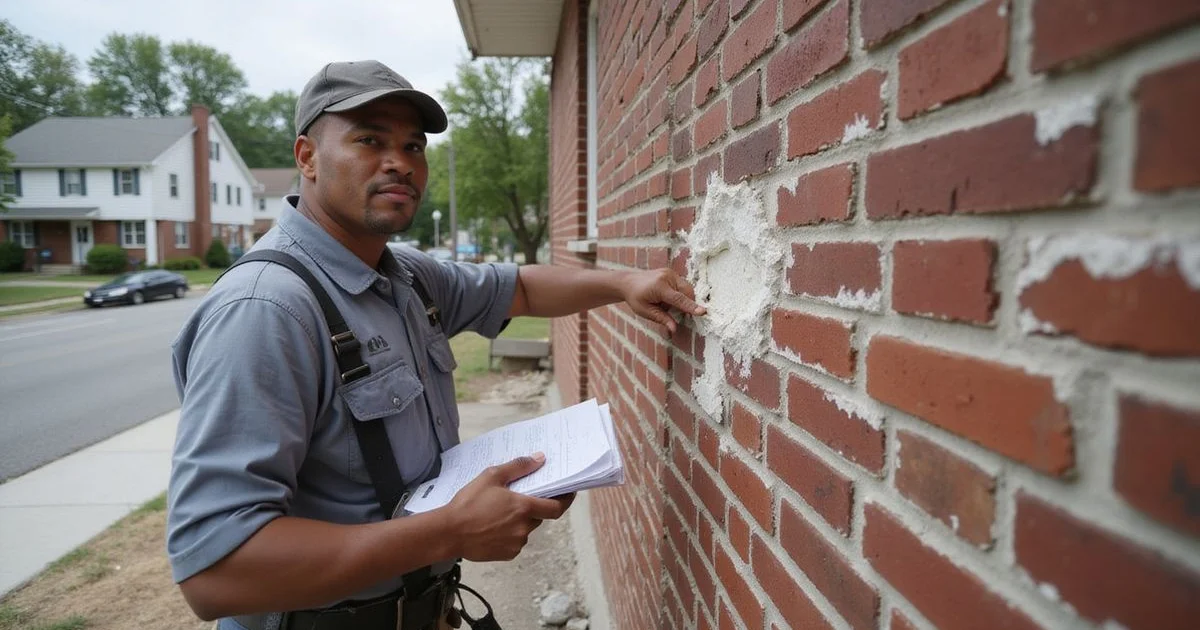
Brick is a durable material, but it is not waterproof, and Connecticut’s freeze-thaw winters are hard on any masonry that stays wet longer than it should. Two of the most common signs homeowners notice are efflorescence and spalling, and while they are related, they are not the same problem.
What efflorescence actually is
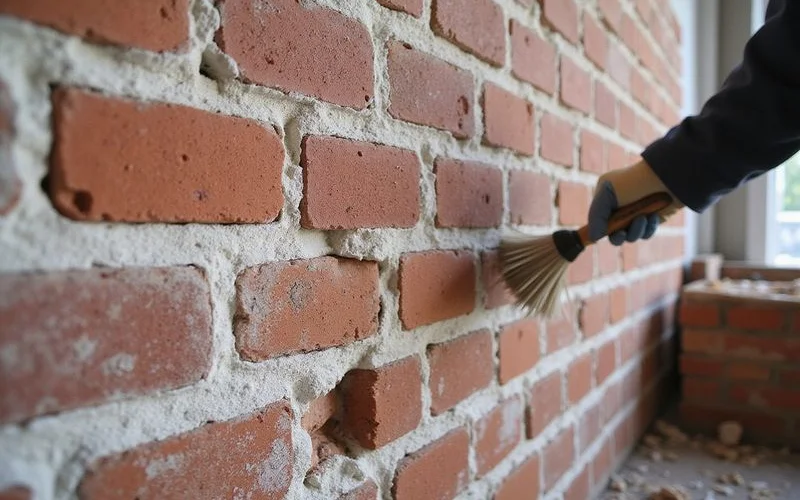
Efflorescence is the white, chalky deposit that sometimes appears on brick or stone surfaces. It forms when water moves through masonry, dissolves natural salts inside the material, and deposits them on the surface as the water evaporates. It looks alarming, especially on darker brick, but on its own it is a cosmetic sign of moisture movement rather than structural damage.
What to do: efflorescence can typically be brushed off with a stiff brush or washed with a mild masonry cleaner. The more important step is figuring out where the water is coming from, whether that is grading, a gutter issue, or a crack letting water in, since the staining will keep returning otherwise.
What spalling actually is
Spalling is when the face of a brick or stone flakes, chips, or pops off entirely. It happens when water gets inside the masonry and then freezes, expanding and creating internal pressure that breaks the surface apart from within. Unlike efflorescence, spalling is physical damage to the material itself, not just a surface deposit.
What to do: a few isolated spalled bricks can sometimes be individually replaced. Spalling spread across a larger area is a sign that moisture has been getting in for a while and usually calls for a broader assessment, since replacing brick without fixing the water source just restarts the cycle.
| Sign | What it is | Urgency | Typical fix |
|---|---|---|---|
| Efflorescence | Surface salt deposit from moisture | Low, but investigate source | Brush or wash off, address moisture source |
| Isolated spalling | Physical damage to a few bricks | Moderate | Replace affected bricks |
| Widespread spalling | Physical damage across a large area | Higher | Assess and fix moisture source, then repair |
Why the two often show up together
Both efflorescence and spalling trace back to the same root cause: water getting into masonry that was not designed to stay wet. Efflorescence is often the earlier, milder sign. If the moisture source is not corrected, the same water that is depositing salt on the surface can eventually freeze inside the brick and cause spalling. Treating efflorescence as an early warning, rather than ignoring it because it looks minor, is the more cost-effective approach. The same pattern shows up on chimneys, too; the chimney damage warning signs guide covers what those signs mean up on the roofline.
Common moisture sources in Connecticut homes
- Gutters that overflow directly onto brick instead of draining away from the house.
- Grading that slopes toward the foundation instead of away from it.
- Missing or deteriorated flashing where brick meets a roofline or window.
- Cracked mortar joints that let water directly into the wall.
When to call a mason
If efflorescence keeps returning after cleaning, or if you notice any spalling at all, it is worth having a mason assess the moisture source rather than repeatedly treating the symptom. Attention to detail in diagnosing the actual cause, rather than only patching the visible damage, is what separates a repair that lasts from one that needs to be redone in a few years. You can compare Connecticut brick specialists on the brick masonry category page, and see how listings are evaluated on this directory’s ranking method page.
The bottom line
Efflorescence is a warning sign worth investigating, not an emergency. Spalling is physical damage that means the warning went unaddressed for a while. Both point back to the same fix: find where water is getting into the brick and stop it there, rather than just cleaning or patching the surface. Start from the homepage if your project involves more than one type of masonry work.
FAQ
- Is efflorescence permanent?
- The white staining itself can often be brushed or washed off, but it will return if the underlying moisture source is not addressed. It is a symptom, not the actual problem.
- Can spalling be repaired, or does the brick need to be replaced?
- Mild spalling on a small number of bricks can sometimes be addressed by replacing the individual affected bricks. Widespread spalling across a wall usually points to a bigger moisture problem that needs to be solved first, or the new bricks will spall too.
- Does efflorescence mean my wall is structurally unsound?
- Not by itself. Efflorescence alone is usually cosmetic. It becomes a bigger concern when it is accompanied by spalling, cracking, or other signs that moisture has been present long enough to cause freeze-thaw damage.
- How do I stop moisture from getting into my brick in the first place?
- Common sources include poor grading that directs water toward the foundation, clogged gutters overflowing onto brick, and missing or damaged flashing. Fixing the water source is usually more effective than repeatedly cleaning the brick.