Historic Masonry Restoration in Connecticut
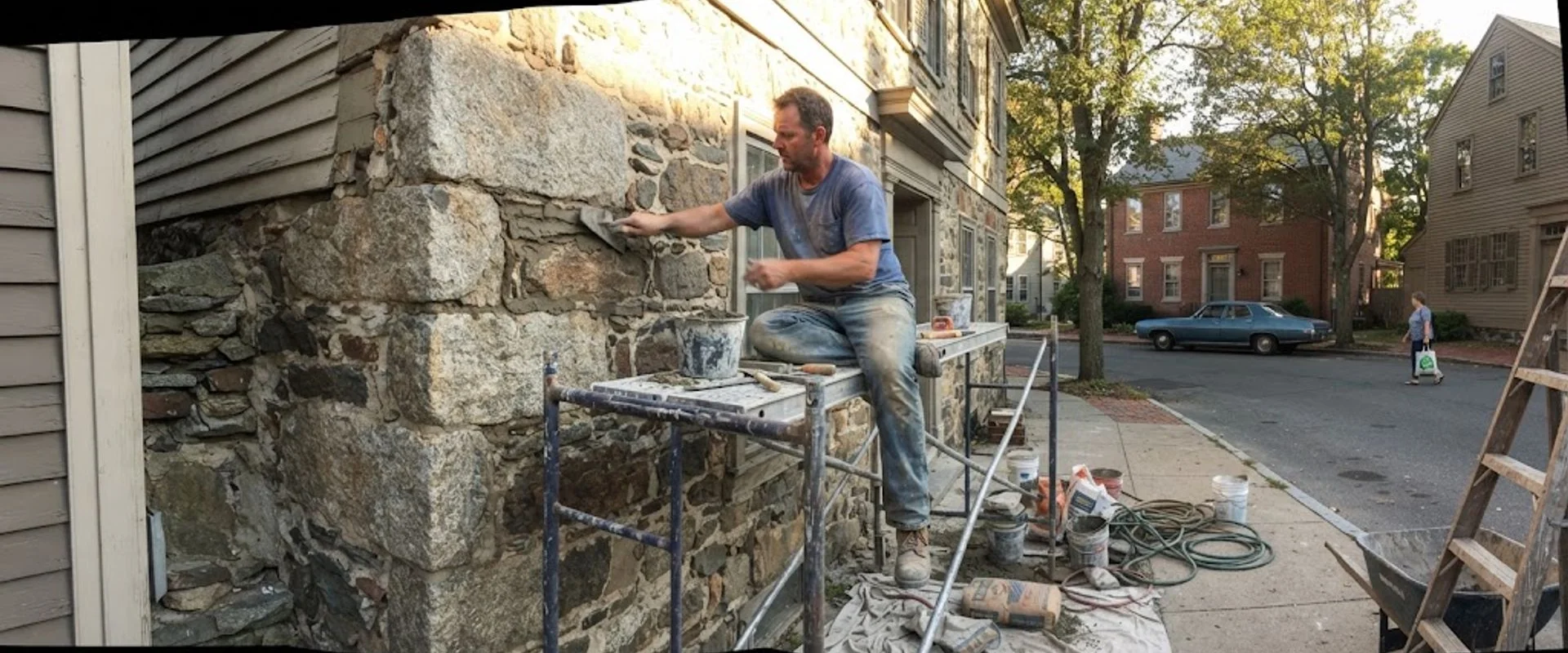
Bridgeport's older neighborhoods, from the brownstones near Downtown to brick multi-families in the South End and Black Rock, were built with lime mortar and materials that behave differently from anything sold at a hardware store today. Historic masonry restoration covers repointing with matched mortar, brownstone and brick repair, chimney rebuilds, sill and lintel work, parapet stabilization, and facade cleaning that doesn't strip or damage the original stone. It's specialty work, not a general handyman job, and doing it wrong can trap moisture behind a wall and cause far more damage than the crack you started with.
What to look for in a contractor
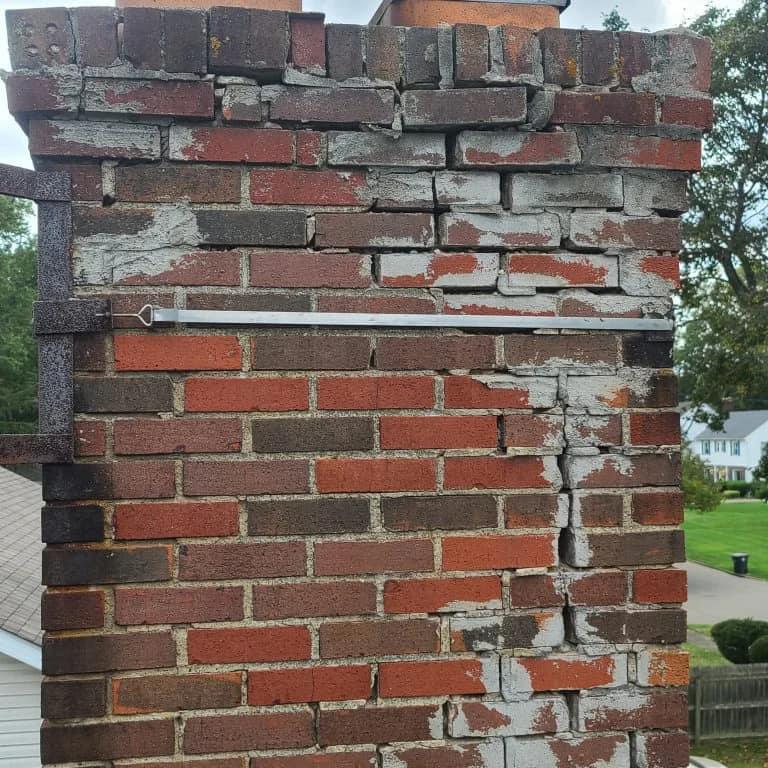
The single biggest mistake homeowners make is letting a crew repoint with standard Portland cement mortar. On buildings from before the 1930s, that mortar is too hard: it doesn't flex with the building and it forces the surrounding brick or stone to crack and spall instead. A contractor who knows historic work will match mortar hardness and color to the original, test a small area first, and explain why. Beyond that, ask about:
- Experience with the specific material on your building (brownstone, hand-made brick, fieldstone) since each fails and gets repaired differently
- Whether they pull permits for structural repairs like parapets, lintels, or chimney rebuilds
- How they handle salvage or matching when original brick or stone is no longer made
- References from other older properties in Bridgeport, not just newer construction
- A written scope that specifies mortar mix, not just "repointing" as a line item
How our scoring works
We rank the 10 contractors in this category on verified reviews, responsiveness, licensing and insurance status, and evidence of actual historic or period-appropriate project experience, not just general masonry volume. The full methodology page breaks down how each factor is weighted. For the ranked list with scores and side-by-side comparisons, see our best masonry contractors in Bridgeport guide.
Get matched with historic masonry restoration
Free, no obligation. Tell us what you need and we'll match you with suitable contractors.
All historic masonry restoration, ranked by score and relevance
We found 53 businesses offering historic masonry restoration; 52 met the criteria for the scored directory. The order weighs each business's overall score by how much of its reviewed work is historic masonry restoration, so a lower-scored specialist can rank above a higher-scored generalist. Filter and sort below, or open the full map view.


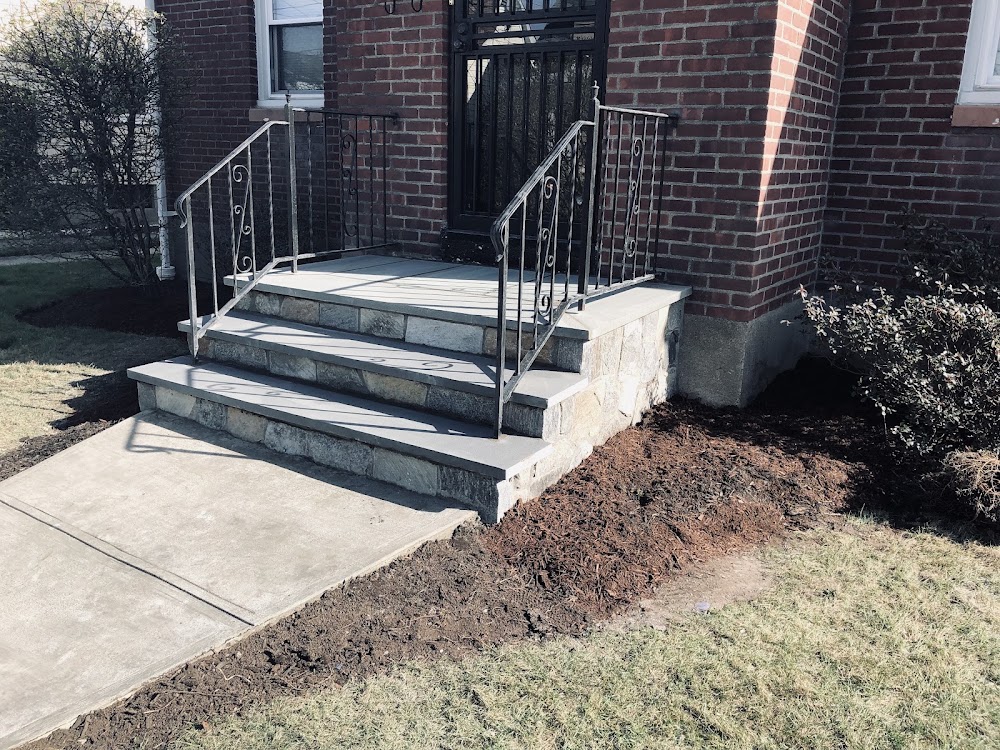
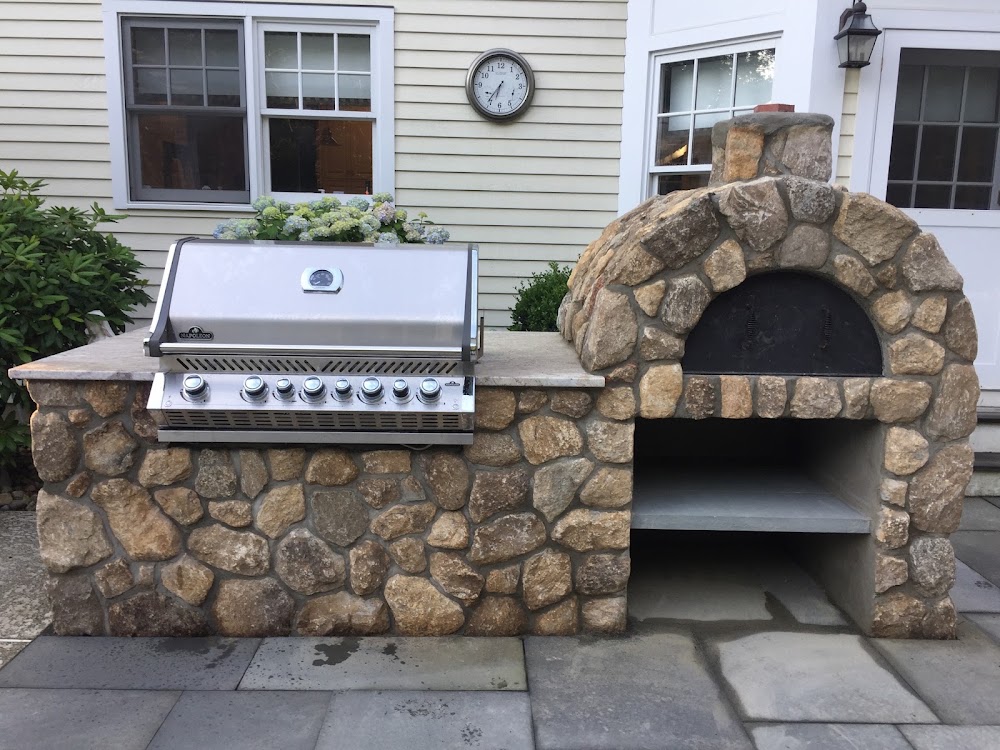
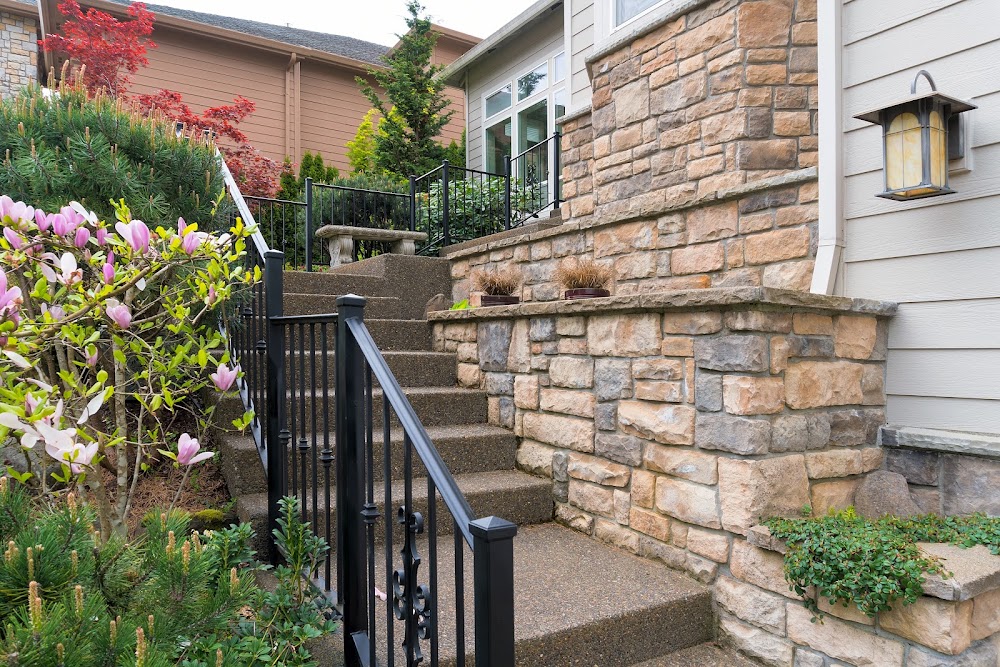
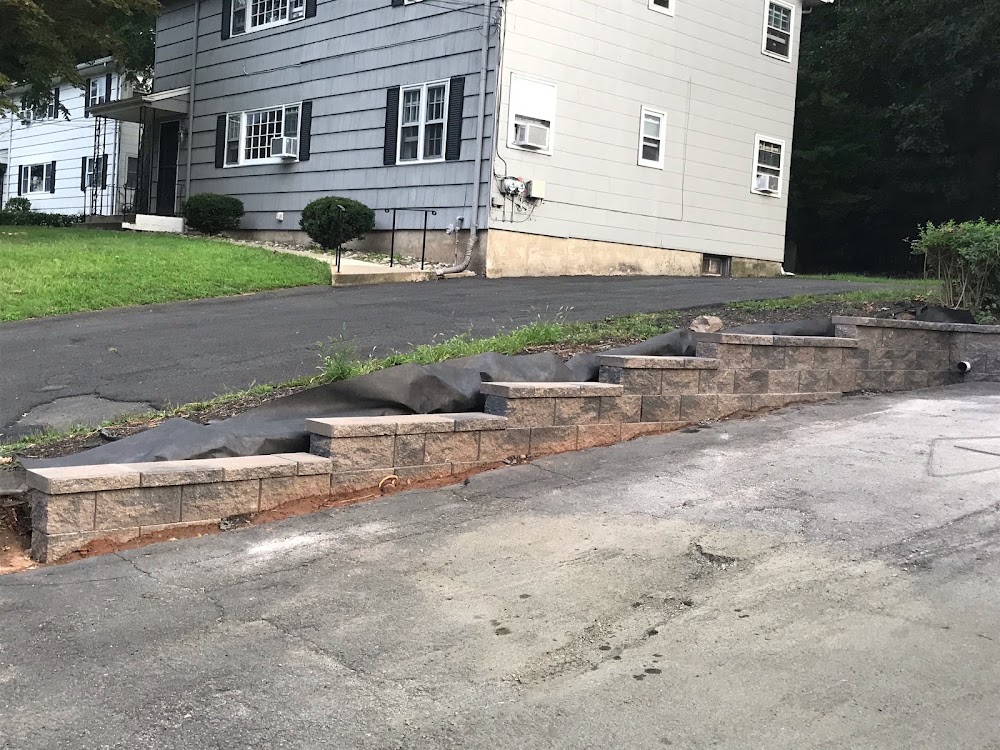
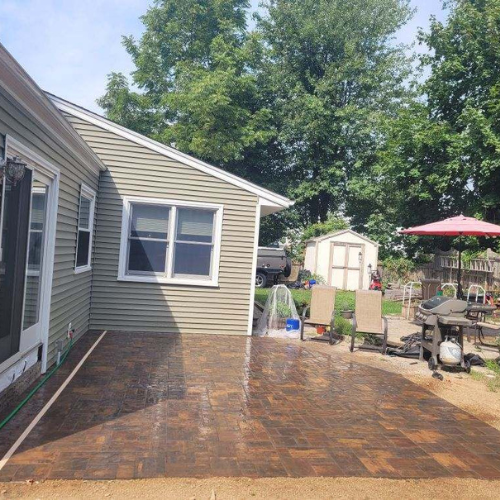
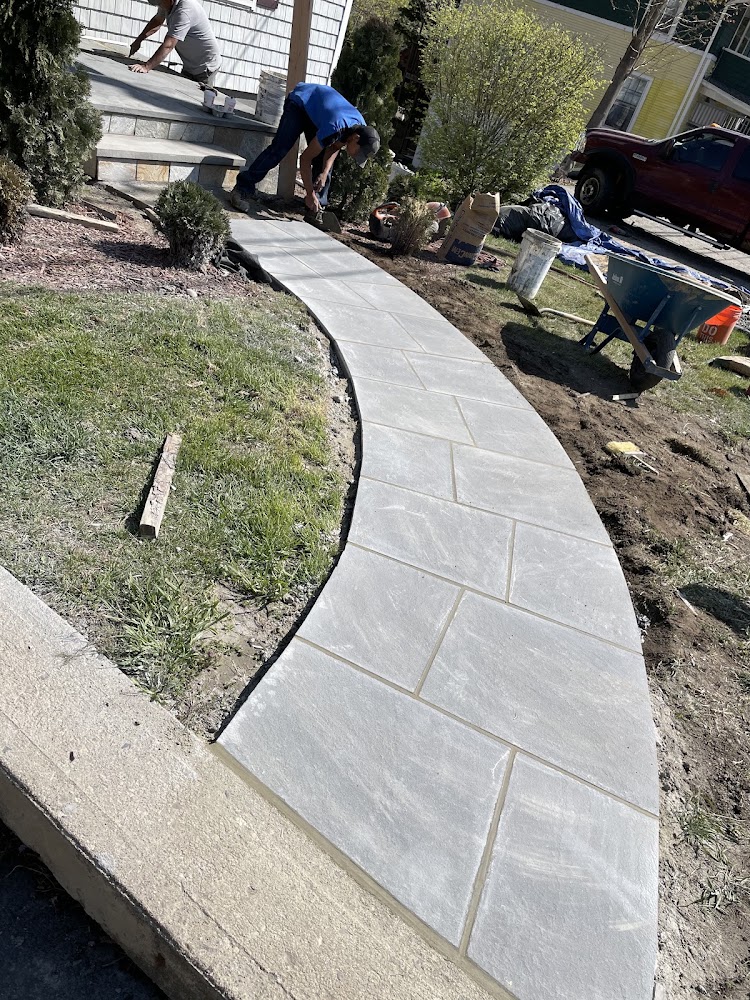
When you submit a form on this site, your inquiry may be passed to partner providers who can do the work, and we may receive a referral fee for this. Our rankings and scores are based on our published method only and are not affected by referral fees.
Common questions about historic masonry restoration
- How much does historic masonry restoration cost in Bridgeport?
- Repointing runs roughly by the square foot of wall face and scales up fast for hand-tooled joints or hard-to-match mortar. A full chimney rebuild or brownstone facade repair costs considerably more than a same-material brick patch, since it often involves scaffolding, salvage stone, and more labor-intensive matching. Get itemized quotes so you can see how much is mortar work versus stone or brick replacement.
- How often does older masonry need this kind of work?
- Mortar joints on pre-1950s buildings typically need attention every 20 to 30 years, sooner if previous repairs used the wrong mortar or if there's ongoing water infiltration. Chimneys and parapets, which take the most weather exposure, often need spot repairs on a shorter cycle. A yearly visual check after winter catches small cracks before they turn into a bigger repointing job.
- What should I expect during the project?
- Expect an initial assessment that identifies which joints or units need work versus a full repoint, a mortar match test, then grinding out old mortar to the right depth before repacking with new mortar in matching color and profile. Weather matters: most contractors won't repoint in freezing temperatures because the mortar needs time to cure properly. A well-run job also protects windows, landscaping, and neighboring surfaces during grinding and cleaning.
- How can I judge the quality of finished repointing work?
- Look at joint consistency: depth, width, and tooling profile should match across the wall, not look patched in one spot. The new mortar color should blend reasonably with the old once it cures (it often looks slightly different right after application and settles over a few weeks). Check that no cement haze or mortar smears were left on the brick or stone face, since that's a sign of rushed cleanup.
Guides to choosing historic masonry restoration
- Buying an older Connecticut home: masonry red flags to check first
What to look for in the foundation, chimney, and stonework of an older Connecticut home before you make an offer, and which issues are minor versus costly.