What concrete patios and driveways cost in Connecticut
By Dana Whitfield · Updated 2026-07-10
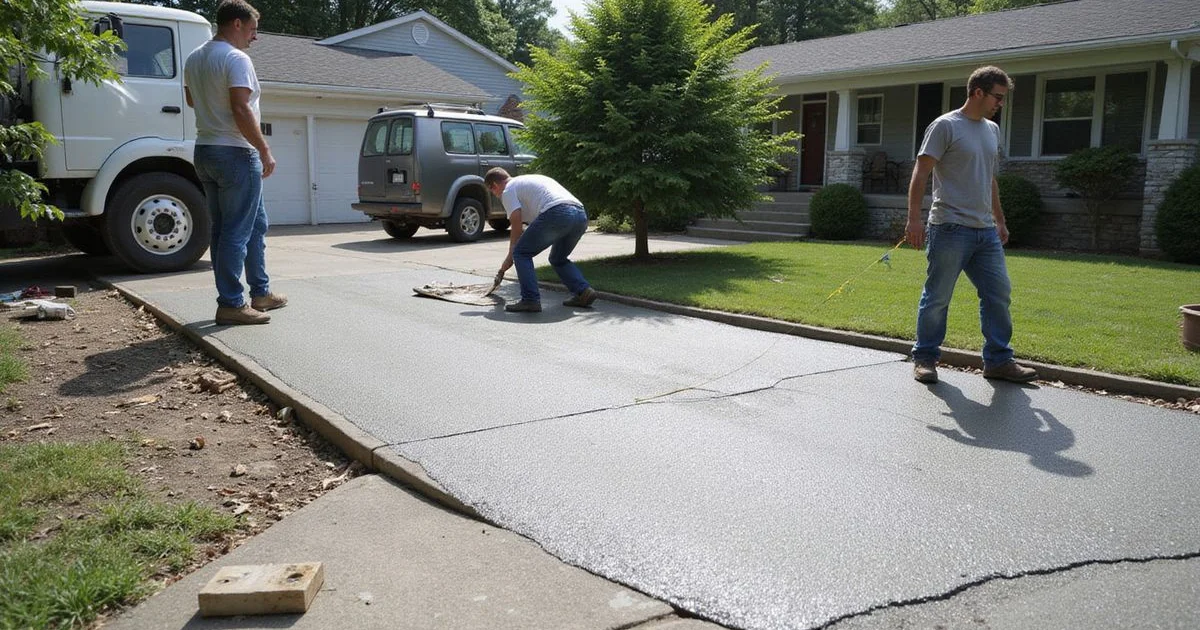
Concrete work is the single biggest category of masonry demand in Connecticut, and it is also where price confusion runs highest. Two contractors can walk the same yard and come back with quotes that differ by thousands of dollars, and the reason is almost never that one is trying to overcharge. It is usually site conditions and scope that were never pinned down before the number was written.
What actually drives the price
Concrete pricing comes down to a handful of variables, and understanding them is the fastest way to compare quotes honestly.
- Square footage. The obvious one, but larger jobs often get a slightly lower rate per square foot because setup and mobilization costs spread out.
- Slab thickness and reinforcement. A patio only needs to support foot traffic. A driveway needs to support a car, and often a reinforced slab with wire mesh or rebar, which adds material and labor cost.
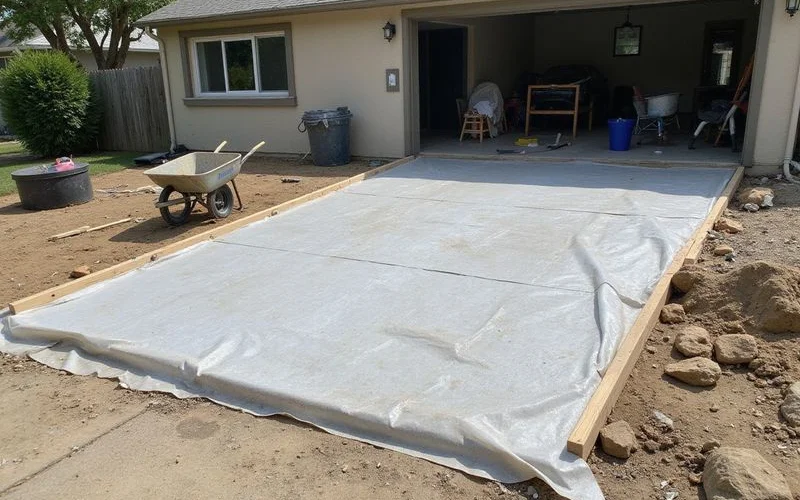
- Site prep. Removing an old surface, grading a slope, or improving drainage before the pour can be a large share of the total, especially on older Connecticut lots with uneven grade.
- Finish. A standard broom finish is the baseline. Stamped patterns, exposed aggregate, and colored or stained concrete all add cost because they require extra labor and materials.
- Access. A crew that has to wheelbarrow concrete around a house because a truck cannot reach the site will charge more than one with a direct chute pour.
Typical price ranges
These are general ranges seen across residential concrete work in Connecticut. Always confirm with a written quote, since soil conditions and scope vary lot to lot.
| Project type | What affects it most | General price range factor |
|---|---|---|
| Basic patio slab, broom finish | Size, minimal prep | Lower end of the range |
| Reinforced driveway | Thickness, rebar, vehicle load | Mid to upper range |
| Stamped or decorative patio | Finish complexity, color | Upper range |
| Slab with extensive site prep | Grading, drainage, demolition | Adds 20 to 45 percent over baseline |
If you want a rough number before calling anyone, the directory homepage links to a cost estimator that asks for square footage, thickness, and finish and gets you in the right neighborhood. Treat any online estimate as a starting point, not a quote.
How to read a quote so you are comparing apples to apples
A low number on paper is not automatically the better deal. Ask every contractor the same three questions: what thickness are you pouring, what is included in site prep, and what is the warranty on cracking. A quote that is silent on any of these is missing information you need before you sign.
Fair pricing and clear communication are the two things Connecticut homeowners consistently mention when a concrete job goes well, and their absence is just as consistently the source of regret when it does not. A contractor who walks you through the number line by line, rather than handing over a single total, is worth the extra ten minutes. This directory ranks contractors using a published scoring method that weighs review sentiment and completeness rather than who pays the most.
You can browse local, sentiment-scored options on the concrete and flatwork category page if you want to compare contractors who specialize in this kind of work rather than general handymen.
Financing and payment structure
Most concrete projects are paid in two or three stages: a deposit at contract signing, a progress payment for larger jobs, and a final payment on completion. Some contractors offer financing partnerships for larger driveway or patio jobs, which can be worth asking about if the total is a stretch. Avoid any arrangement that asks for full payment before work begins.
The bottom line
Concrete pricing in Connecticut is driven far more by prep work, thickness, and finish than by the contractor’s name on the truck. Get two or three written quotes that spell out thickness, base prep, and finish, and treat any quote that skips those details as incomplete rather than cheap.
FAQ
- What is a fair price per square foot for a concrete driveway in Connecticut?
- Most standard broom-finish driveways fall in a wide range depending on thickness, base prep, and access. Stamped or colored finishes cost more, and a reinforced slab built for vehicle weight costs more than a basic patio slab.
- Why do two quotes for the same size patio come back so different?
- The biggest swing factors are site prep (grading, old surface removal, drainage), slab thickness, and finish. A quote that skips excavation or a proper gravel base is cheaper up front but more likely to crack early.
- Does a concrete patio cost less than pavers?
- A poured slab is usually the lower-cost option per square foot. Pavers and natural stone cost more in materials and labor but are easier to repair in sections if one area settles or cracks.
- Is a deposit before work starts normal?
- A partial deposit is standard practice once a contract is signed, with the balance due on completion or in stages tied to milestones. Be cautious of anyone asking for the full amount upfront.