What chimney repair and rebuilding costs in Connecticut
By Dana Whitfield · Updated 2026-07-13
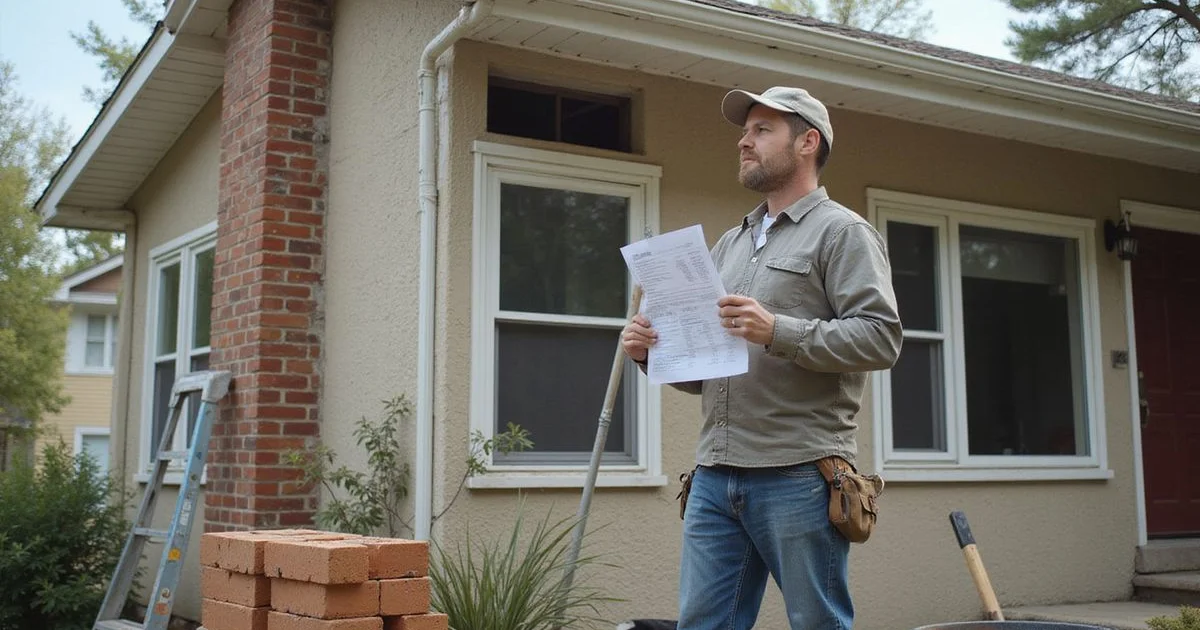
Chimney repair carries some of the widest price range in Connecticut masonry work, and for a good reason: a chimney that looks fine from the ground can hide damage that only shows up once a mason gets on the roof. Knowing what drives the cost helps you tell a fair estimate from a padded one.
The four cost tiers
Chimney work generally falls into one of four scopes, and each one costs meaningfully more than the last.
- Repointing. Grinding out failed mortar joints and repacking them with fresh mortar. This is routine maintenance on any chimney past 15 to 20 years old and the least expensive category.
- Crown repair or rebuild. The crown is the concrete or mortar cap that sheds water off the top of the chimney. A cracked crown is a common source of water intrusion and costs more than repointing but less than structural work.
- Partial rebuild. Replacing the top few courses of brick, usually where freeze-thaw cycles and weather exposure do the most damage. This roughly doubles the cost of a crown repair.
- Full rebuild above the roofline. Tearing down and relaying everything visible above the roof. This is the most expensive tier by a wide margin, often three to four times the cost of repointing.
What else moves the number
Beyond the type of work, three other factors matter:
- Height above the roofline. Taller chimneys need more staging and more material.
- Condition. Minor cracking costs less to fix than a chimney with loose bricks or visible leaning, which usually means more hidden damage once work starts.
- Access. A steep roof pitch or a chimney tucked between two roof planes adds labor time for safe staging.
| Scope of work | Typical driver | Relative cost |
|---|---|---|
| Repointing / mortar repair | Age, minor wear | Baseline |
| Crown repair or rebuild | Water intrusion signs | 1.2 to 1.4x baseline |
| Partial rebuild (top courses) | Visible deterioration | 2x baseline |
| Full rebuild above roofline | Structural failure, leaning | 3 to 4x baseline |
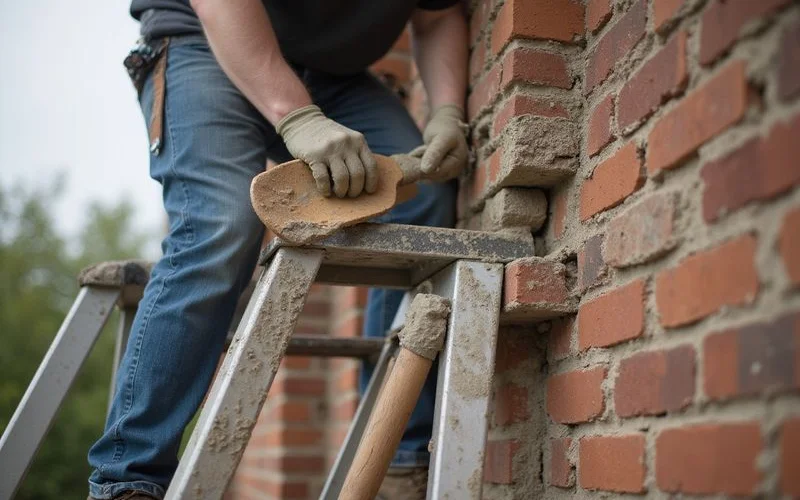
Why estimates before inspection are rough numbers only
A chimney’s outside can look stable while the flue liner or the brick behind the crown has already failed. That is why most masons will not give a firm number over the phone. If a contractor quotes an exact price sight unseen for anything beyond basic repointing, treat that as a red flag rather than good news. You can browse Connecticut chimney specialists on the chimney masonry category page and compare who offers a free on-site inspection before quoting.
Getting a fair price
Ask for a written scope that names the tier of work (repointing, crown, partial, or full rebuild) rather than a single lump number. That way, if the mason finds more damage once the job starts, you have a baseline to compare any change order against. Fair pricing and clear communication about scope changes are the two traits that separate a good chimney contractor from one that surprises you with a bigger bill halfway through. This directory’s ranking method weighs those traits directly, using review sentiment and completeness rather than paid placement.
Start from the directory homepage if you also need a mason for brick, stone, or concrete work alongside the chimney.
Emergency versus planned work
A chimney that is actively leaking or shedding bricks needs prompt attention regardless of price, since delaying can turn a repointing job into a rebuild. Planned repointing scheduled during a dry season, on the other hand, gives you room to collect a few quotes and compare them without pressure. Whenever timing allows, get more than one estimate.
The bottom line
Chimney cost is driven by scope first, height and condition second. Repointing is routine and affordable; a full rebuild is a major structural project. An in-person inspection is the only way to know which tier your chimney needs, so treat any pre-inspection number as a rough range, not a quote.
FAQ
- What is the cheapest kind of chimney repair?
- Repointing, replacing the mortar between bricks without touching the structure, is typically the least expensive fix. It is also the most common repair on chimneys over 20 years old.
- Why does a full rebuild cost so much more than a partial one?
- A full rebuild above the roofline means removing and relaying the entire visible structure, plus new flashing where it meets the roof. A partial rebuild only replaces the damaged top courses, which cuts labor and material substantially.
- Does chimney height change the price much?
- Yes. A taller chimney needs more scaffolding or staging, more material, and more time on the roof, so price scales with height on top of the type of work needed.
- Can I get an exact price without an inspection?
- Not reliably. Hidden damage inside the flue or behind the crown is common and only shows up once work starts, so any number given before a physical look is a starting estimate, not a firm quote.
Related on this site
- Browse chimney masonry & repair providers
- Best chimney masonry & repair in Connecticut →
- Chimney damage warning signs: when it becomes a safety risk
- Do you need a permit to rebuild a chimney in Connecticut
- What concrete patios and driveways cost in Connecticut
- Is masonry repair covered by insurance, and how to finance the rest
- All guides →