Who is liable when a retaining wall or chimney fails
By Dana Whitfield · Updated 2026-08-13
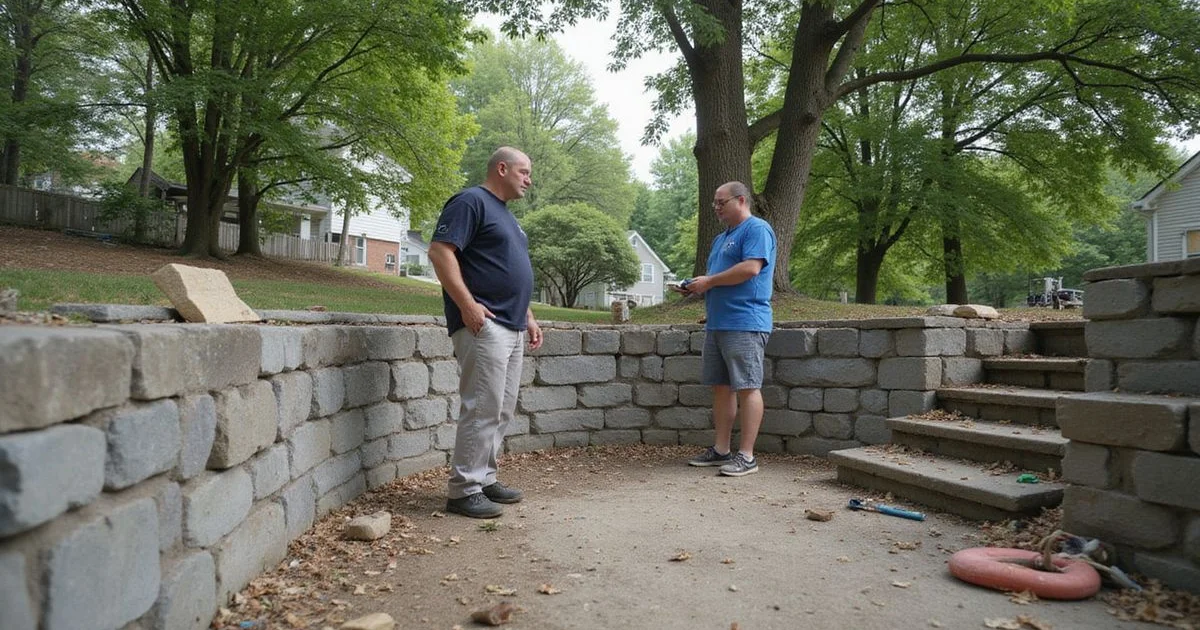
This guide explains general liability concepts in plain terms and is not legal advice. Liability determinations depend on specific facts and Connecticut law; consult an attorney or your insurer for guidance on an actual incident.
Nobody plans for a retaining wall to collapse or a chimney to fail, but knowing roughly how liability tends to work before something happens makes the aftermath far less confusing, and helps you choose a contractor with the right protections in place from the start.
Property owner responsibility, in general terms
As the owner of a home, you are generally responsible for maintaining structures on your property, including retaining walls and chimneys. If a wall fails and causes damage, whether to your own property, a neighbor’s, or a person, that responsibility typically starts with you as the owner, separate from any question of who built it or when.
Where the contractor’s responsibility comes in
If a structure fails because of how it was built, not because of age or lack of maintenance, the contractor’s workmanship may be a factor. This is where a few things matter:
- A written warranty. Reputable contractors back structural work with a warranty period. Read it before signing, not after a problem appears.
- Licensing and insurance. A licensed, insured contractor carries general liability coverage that can apply if their work causes damage. An unlicensed or uninsured contractor leaves you with far less recourse if something goes wrong.
- Permits and inspections. Work that was permitted and inspected has an official record confirming it met code at the time, which matters if a failure is later disputed.
| Scenario | Who is typically involved | What matters most |
|---|---|---|
| Wall fails from age or lack of maintenance | Property owner | Ongoing maintenance responsibility |
| Wall fails from poor construction, recent build | Contractor’s warranty and liability insurance | Written warranty, contractor’s insurance |
| Wall failure damages a neighbor’s property | Property owner, possibly contractor | Homeowners insurance, contractor liability |
| Chimney failure causes fire or CO exposure | Homeowner’s insurance, possibly contractor if faulty work | Licensed work, inspection history |
Protecting yourself before anything happens
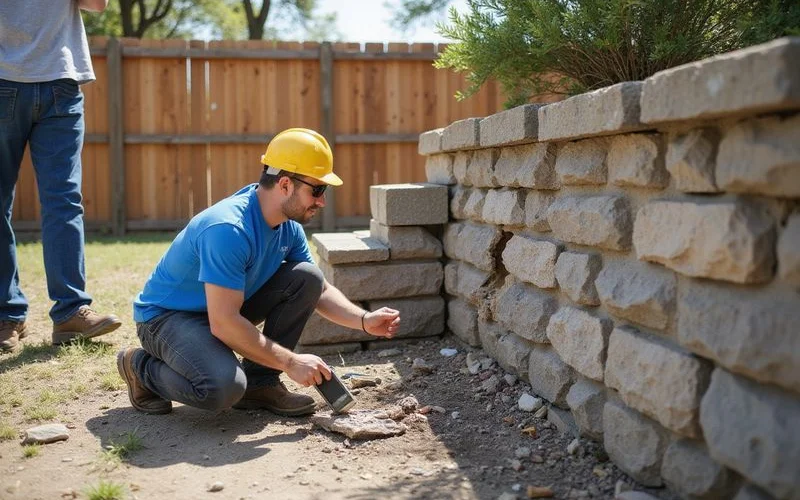
The best time to think about liability is before you hire anyone, not after a wall shifts. Verify a contractor is licensed and carries general liability insurance, get warranty terms in writing, and keep documentation of permits and inspections for any structural masonry work. These steps do not prevent every possible failure, but they determine how much protection you have if one occurs.
If something does fail
Document the damage with photos and dates, contact your insurer to understand what your policy covers, and if the work is recent and warranty-eligible, contact the original contractor. For anything involving a neighbor’s property or a significant structural failure, getting a written assessment from a licensed professional creates a record that matters if the situation becomes a dispute.
You can verify a contractor’s standing and reviews before hiring on the homepage, and see how this directory scores listings on its ranking method page, which weighs completeness and review sentiment.
The bottom line
Liability generally starts with the property owner, but a contractor’s licensing, insurance, and warranty determine how much of that risk shifts back to them if their work is at fault. Confirming those protections before hiring is far more useful than sorting out liability after a wall has already failed.
FAQ
- Am I liable if my retaining wall fails and damages a neighbor's property?
- As the property owner, you are generally responsible for maintaining structures on your property, including a retaining wall. If it fails and causes damage next door, that is typically treated as your liability, though your homeowners policy may cover part of it depending on the cause.
- What if the wall failed because it was built incorrectly?
- If a wall fails within a reasonable time due to poor construction or a violation of code, the contractor's workmanship warranty may cover the repair. This is why a written warranty and a licensed, insured contractor matter.
- Does a contractor's insurance cover damage caused during construction?
- A licensed contractor should carry general liability insurance that covers damage they cause while working. Ask to see proof of insurance before work starts, not after something goes wrong.
- What about a chimney that fails and causes a fire?
- This is a more serious scenario that can involve both your homeowners insurance and, if faulty work is implicated, the contractor's liability insurance. It is one more reason to use a licensed, insured mason for chimney and liner work.