Retaining wall failure and drainage problems: what makes a wall unsafe
By Dana Whitfield · Updated 2026-08-09
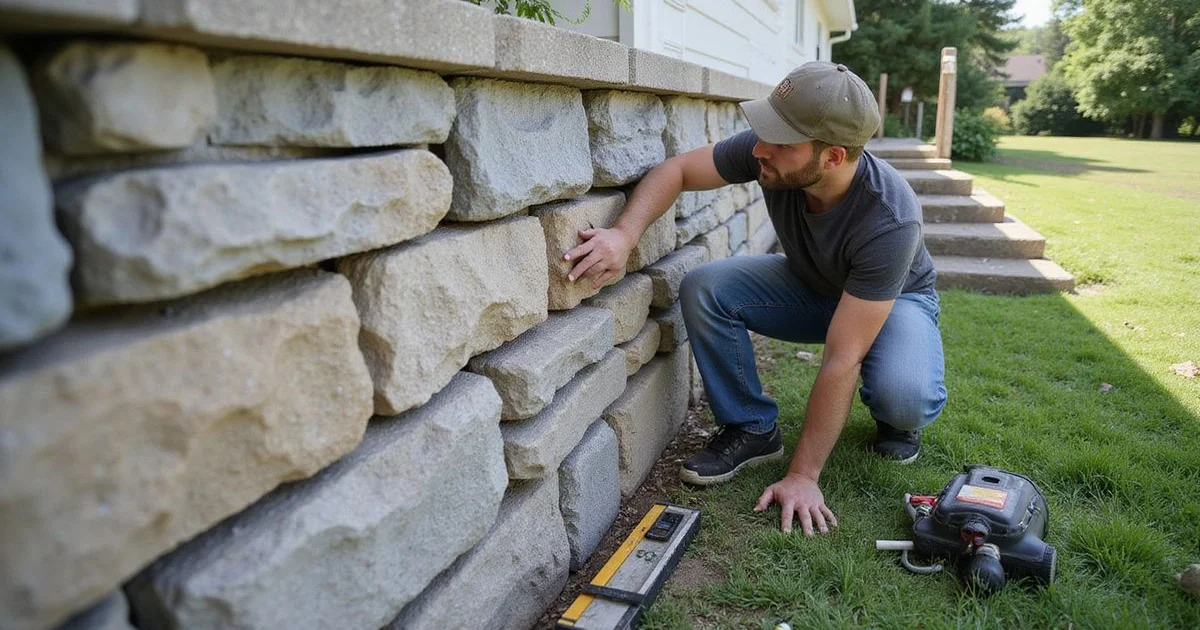
This guide describes common warning signs and is general information, not a substitute for a structural inspection. A wall showing signs of active movement should be assessed by a professional rather than monitored on your own.
A retaining wall’s job is to hold back soil that would otherwise slide or slump, and when it starts to fail, the consequences go beyond a cracked surface. A wall that gives way can damage what is above it, whatever sits below it, and in some cases create a real safety hazard.
The root cause behind most failures
Drainage, more than any single other factor, determines whether a retaining wall lasts decades or fails within a few years. Soil holds water like a sponge, and without a way for that water to escape, it builds pressure against the back of the wall, called hydrostatic pressure. Connecticut’s freeze-thaw winters make this worse: trapped water that freezes expands and adds even more force.
Early warning signs
- Slight forward lean or bulge, especially noticeable when you sight down the wall’s face from one end.
- Cracks forming, particularly horizontal ones, which suggest the wall is being pushed rather than just settling.
- Water pooling at the base of the wall after rain instead of draining away.
- Gaps opening between wall sections or at the top where the wall meets the ground behind it.
Signs that mean it is time to act
| Sign | What it usually indicates | Urgency |
|---|---|---|
| Minor cracking, no visible movement | Normal settling or early drainage issue | Monitor, plan a repair |
| Visible bulge or lean | Active soil pressure buildup | Inspect soon |
| Sudden new cracks or shifting | Accelerating failure | Inspect promptly |
| Collapsed section or falling blocks | Structural failure | Address immediately, restrict access to the area |
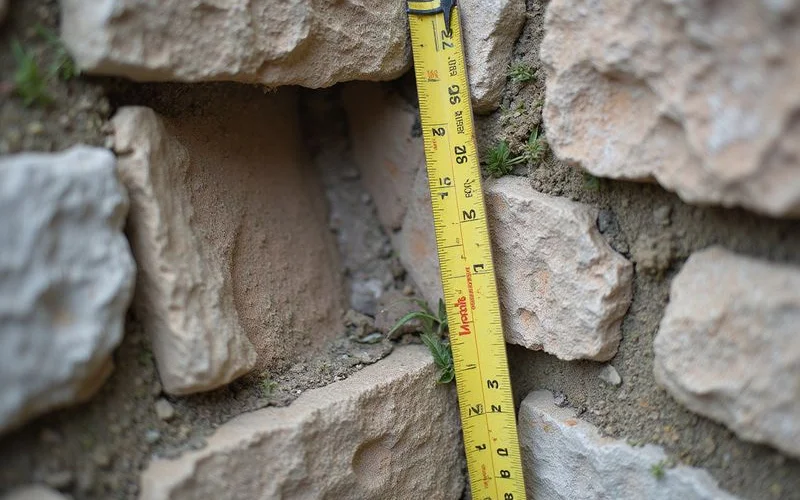
Why the fix usually starts with drainage, not just rebuilding
A wall rebuilt without correcting the underlying drainage problem is likely to fail again on the same timeline. A proper fix typically includes a perforated drain pipe wrapped in gravel behind the wall, sometimes paired with regrading the slope above it to direct surface water away rather than toward the wall. Skilled contractors will diagnose the drainage issue first, then address the visible wall damage.
What to check if you are buying a home with a retaining wall
A wall that looks fine from a quick walk-through can still be showing early signs if you know what to look for: sight down its length for any bulge, check for cracking, and look at how water behaves near its base after rain. This is worth doing before closing on a property, since retaining wall repair or replacement can be a significant cost if the wall is already compromised.
Getting it assessed
A contractor with real experience in retaining walls will explain the drainage plan as part of any repair, alongside the visible wall repair itself. You can compare Connecticut hardscaping and retaining wall specialists on the patios, walkways and hardscaping category page, where completeness and review sentiment are both factored into this directory’s ranking method.
The bottom line
Most retaining wall problems trace back to trapped water more than age or poor construction. Catching the early signs, bulging, cracking, or standing water at the base, before they progress gives you the option of a targeted repair instead of a full rebuild. Start from the homepage if you need a mason for other work alongside a retaining wall.
FAQ
- What causes most retaining wall failures?
- Water trapped behind the wall is the leading cause. Without proper drainage, water saturates the soil and builds hydrostatic pressure that pushes the wall forward over time.
- Is a slightly bulging wall an emergency?
- A wall that has visibly bulged or shifted should be inspected promptly rather than monitored indefinitely, since the movement tends to accelerate once it starts rather than stabilize on its own.
- Can a failing retaining wall be repaired, or does it need to be rebuilt?
- It depends on the extent of the movement. Early-stage bulging with an intact structure can sometimes be corrected by fixing drainage and adding reinforcement. A wall that has significantly shifted or cracked through usually needs to be rebuilt.
- Are taller walls more dangerous when they fail?
- Yes. The forces involved scale with height, which is also why most Connecticut towns require engineered plans and permits for walls above a certain height.