Selling your house in Connecticut: which masonry repairs are worth doing
By Dana Whitfield · Updated 2026-08-26
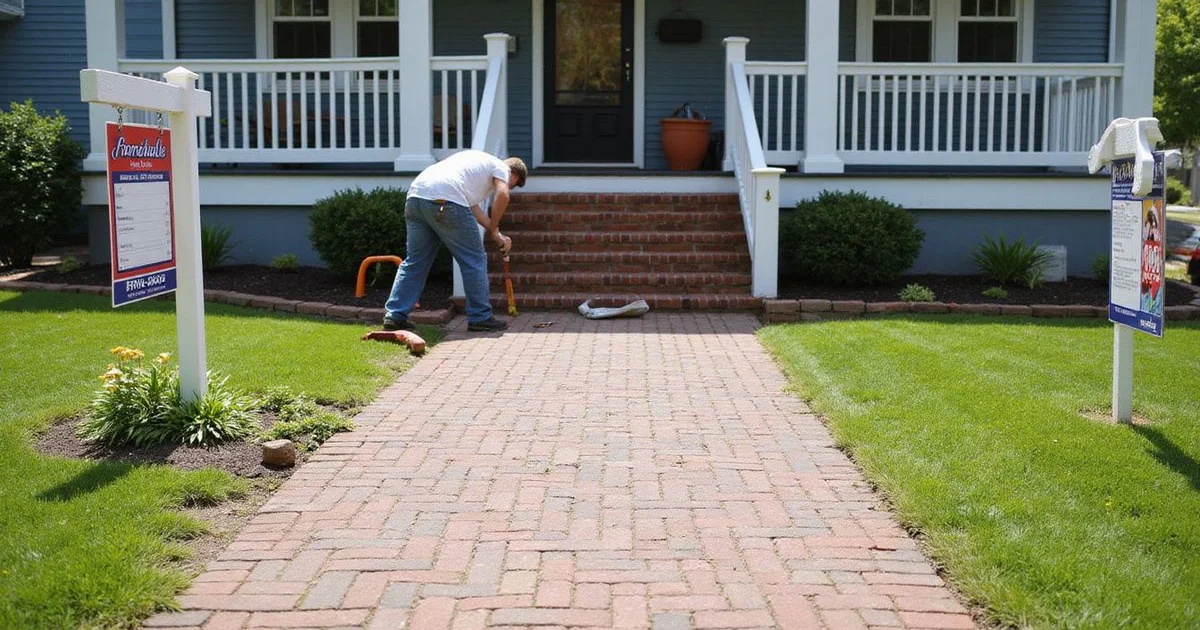
When you are getting a Connecticut home ready to sell, masonry repairs fall into two categories: the ones that genuinely affect buyer perception or inspection results, and the ones that are more about your own peace of mind than the sale itself. Knowing which is which helps you spend your pre-listing budget where it actually moves the needle.
Repairs worth doing before listing
- Visible chimney damage. Spalling brick, a cracked crown, or a visible lean are the kind of items a home inspector calls out specifically, and buyers tend to react to a chimney flagged on a report even when the fix itself is not expensive.
- Structural foundation cracks. Anything beyond thin, stable hairline cracks, especially horizontal or stair-step cracking, is worth having assessed and, if needed, addressed before it becomes a negotiation point during a buyer’s inspection.
- Significant driveway or walkway heaving. Major unevenness is both a curb appeal issue and a potential trip hazard that inspectors note.
Repairs that usually are not worth rushing
- Minor mortar cracking on a wall or walkway. Common in homes of any age and rarely a deal point on its own.
- Cosmetic efflorescence. Staining alone, without accompanying spalling or structural concerns, is unlikely to affect a sale.
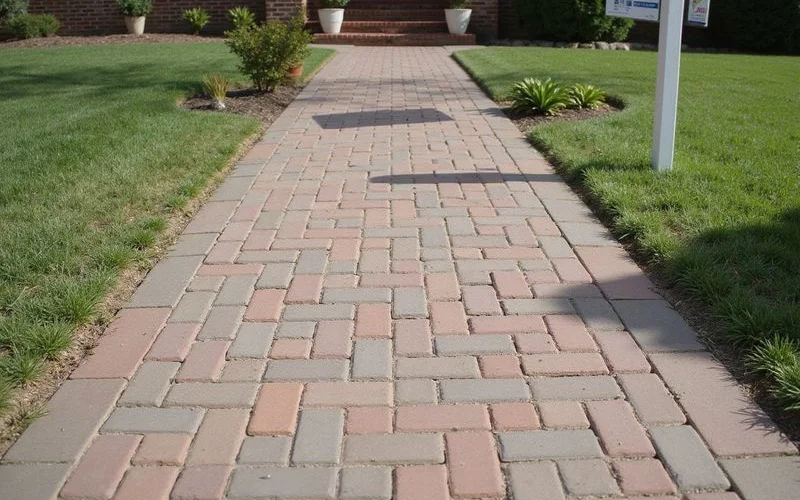
- A full driveway or patio replacement, when the existing surface is merely dated rather than damaged. A basic clean and minor patch often addresses the visual concern for a fraction of the cost.
| Issue | Fix before listing? | Why |
|---|---|---|
| Spalling or leaning chimney | Yes | Commonly flagged on inspection, affects buyer confidence |
| Structural foundation cracking | Yes | Major negotiation point if found during inspection |
| Minor mortar cracks | Usually no | Common, low buyer concern |
| Cosmetic efflorescence only | Usually no | Rarely affects sale on its own |
| Dated but sound driveway | Optional | Curb appeal only, not usually a deal point |
How to prioritize on a limited budget
If you cannot address everything before listing, prioritize items most likely to show up on a buyer’s inspection report as a structural or safety item, since those are what typically trigger a price reduction request or a delay while repairs are negotiated. Cosmetic items rarely move the needle on offer price the way a flagged chimney or foundation issue does.
Disclosure matters too
Connecticut sellers generally have disclosure obligations for known material defects. If you are aware of a masonry issue and choose not to repair it before listing, disclosing it upfront, rather than hoping an inspection misses it, tends to lead to a smoother transaction than a defect surfacing after an offer is already in.
Getting a pre-listing assessment
A masonry contractor can walk the property with you before you list and flag which items are inspection-relevant versus purely cosmetic, which is often a faster and cheaper step than guessing. If you end up staying instead, the fall masonry prep checklist covers the seasonal upkeep that keeps these same issues from developing in the first place. You can find local, sentiment-scored contractors from the homepage, and review this directory’s ranking method to see how listings are evaluated.
The bottom line
Not every masonry flaw needs to be fixed before you sell. Focus your budget on structural and safety-related items, chimney damage and foundation cracking chief among them, and let cosmetic wear stay cosmetic unless a buyer specifically raises it during negotiation.
FAQ
- Will a home inspector flag minor mortar cracks?
- Most inspectors note them but do not treat hairline mortar cracking as a major issue. It is common enough in older homes that buyers rarely negotiate hard over it alone.
- Should I fix a chimney before listing?
- If the chimney has visible damage like spalling, a cracked crown, or leaning, yes, since these are the items most likely to show up as a specific line item on an inspection report and become a negotiation point.
- Is it worth repairing a driveway or patio before selling?
- A driveway or patio with major cracking or heaving can affect curb appeal and buyer perception, but a full replacement is rarely necessary just to sell. A basic repair or patch often addresses the concern.
- What if I don't have time or budget to fix everything?
- Prioritize anything a buyer's inspector is likely to flag as structural or safety-related, since those items are the most likely to trigger a price reduction request or a delayed closing.