Getting your masonry ready for a Connecticut winter
By Dana Whitfield · Updated 2026-08-23
Connecticut’s winters are hard on masonry not because they are extremely cold, but because they cycle through freezing and thawing repeatedly over the season. Each cycle pushes a little more stress into any masonry that has absorbed water, which is why a bit of prep work each fall pays off over the years.
Why freeze-thaw damage happens
Masonry materials, brick, stone, mortar, and concrete, are all somewhat porous. When water gets into small cracks or pores and then freezes, it expands roughly nine percent in volume. That expansion pushes outward on the surrounding material. Over many freeze-thaw cycles in a single Connecticut winter, this repeated pressure is what causes spalling, cracking, and eventually more serious deterioration.
Fall prep checklist
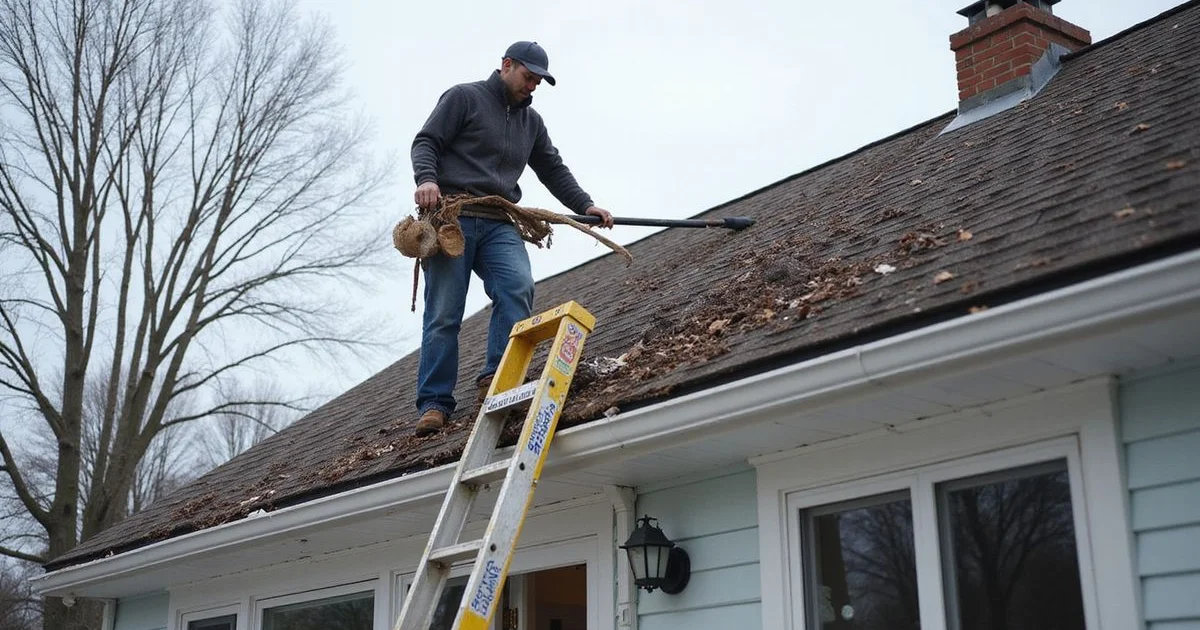
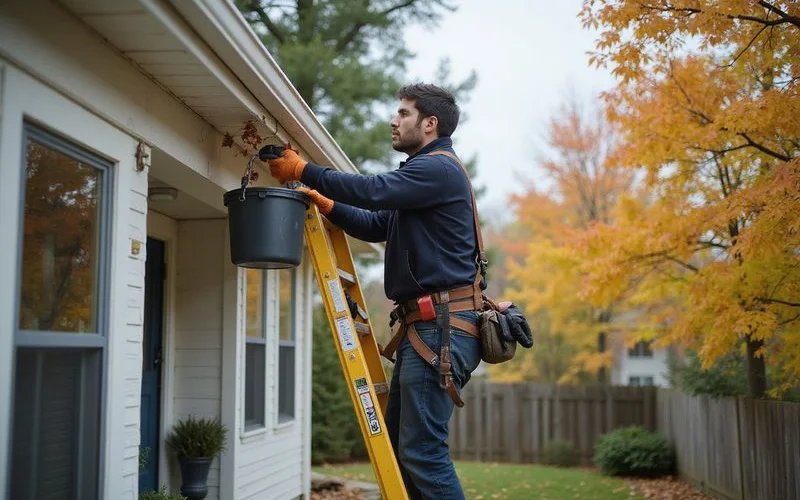
- Clear and check gutters. Overflowing gutters dump water directly onto brick, foundation walls, or walkways below, right before the coldest months. This is one of the simplest fixes with an outsized impact.
- Check grading near the foundation. Soil that slopes toward the house instead of away from it channels water where you least want it during freeze-thaw season.
- Inspect and repoint failing mortar joints. Cracked or missing mortar lets water directly into a wall. Addressing this before winter, while temperatures still allow mortar to cure, prevents that water from being trapped in during the coldest months.
- Seal exposed concrete surfaces if prone to damage. A masonry sealer on driveways, patios, or steps that have shown past cracking can reduce how much water they absorb.
- Check chimney crown and flashing. These are the parts most exposed to sitting water at the top of the structure, and small cracks here let water in right where freeze-thaw damage does the most visible harm.
| Area | What to check | Why it matters for winter |
|---|---|---|
| Gutters | Clear of debris, draining away from masonry | Prevents water pooling on brick or foundation |
| Grading | Sloped away from the house | Reduces water reaching foundation walls |
| Mortar joints | No cracking or gaps | Trapped water in cracks causes the most damage |
| Chimney crown | No visible cracks | Top of chimney is most exposed to standing water |
| Concrete surfaces | Sealed if previously damaged | Reduces water absorption into pores |
What to leave for spring
Repointing and any structural masonry repair are best scheduled for warmer weather, since mortar needs a stretch of consistent temperature above freezing to cure properly. If you spot a problem in late fall that is not urgent, it is often more cost-effective to note it and schedule the repair once temperatures stabilize in spring rather than rush a repair that will not cure correctly.
The spring check that catches problems early
Once winter has passed, walk your property and look specifically for new cracking, spalled brick, shifted pavers, or gaps that were not there in the fall. Catching freeze-thaw damage in spring, while it is still limited to a section or two, is far less expensive than waiting until it has spread across a wall or patio.
Fair pricing and responsive scheduling matter most in early spring, when everyone in Connecticut is booking masons for the same seasonal repairs at once. Getting on a contractor’s schedule early is worth doing if you spot something during your walk-around. You can browse local, sentiment-scored contractors from the homepage, and see how this directory evaluates listings on its ranking method page.
The bottom line
A short list of fall tasks, clearing gutters, checking grading, sealing exposed cracks, does more to protect Connecticut masonry from winter damage than any single big repair. Pair it with a spring walk-around to catch anything that got through, and you will spend far less on masonry repair over the years than homeowners who skip both. If you’re prepping the house for a sale rather than just the season, the guide to which masonry repairs are worth doing before selling covers where to prioritize.
FAQ
- Why is freeze-thaw damage such a big deal in Connecticut specifically?
- Connecticut winters cycle above and below freezing repeatedly rather than staying consistently cold, which means masonry that has absorbed water goes through many freeze-thaw cycles each winter instead of just one, and each cycle adds a small amount of internal stress.
- Should I seal my brick or concrete before winter?
- A quality masonry sealer can reduce water absorption on porous surfaces like concrete and some brick, which is worth considering on surfaces that have shown past freeze-thaw damage. It is not a substitute for fixing an active water source, like a clogged gutter or bad grading.
- Is it too late to prep if winter has already started?
- Some prep, like clearing gutters and sealing visible cracks, can still help mid-season. Larger repairs like repointing are generally better scheduled for warmer weather when mortar cures properly.
- What should I check again once spring arrives?
- A post-winter walk-around looking for new cracks, spalling, or shifted pavers catches freeze-thaw damage early, while it is still a small, affordable fix rather than a bigger repair.